

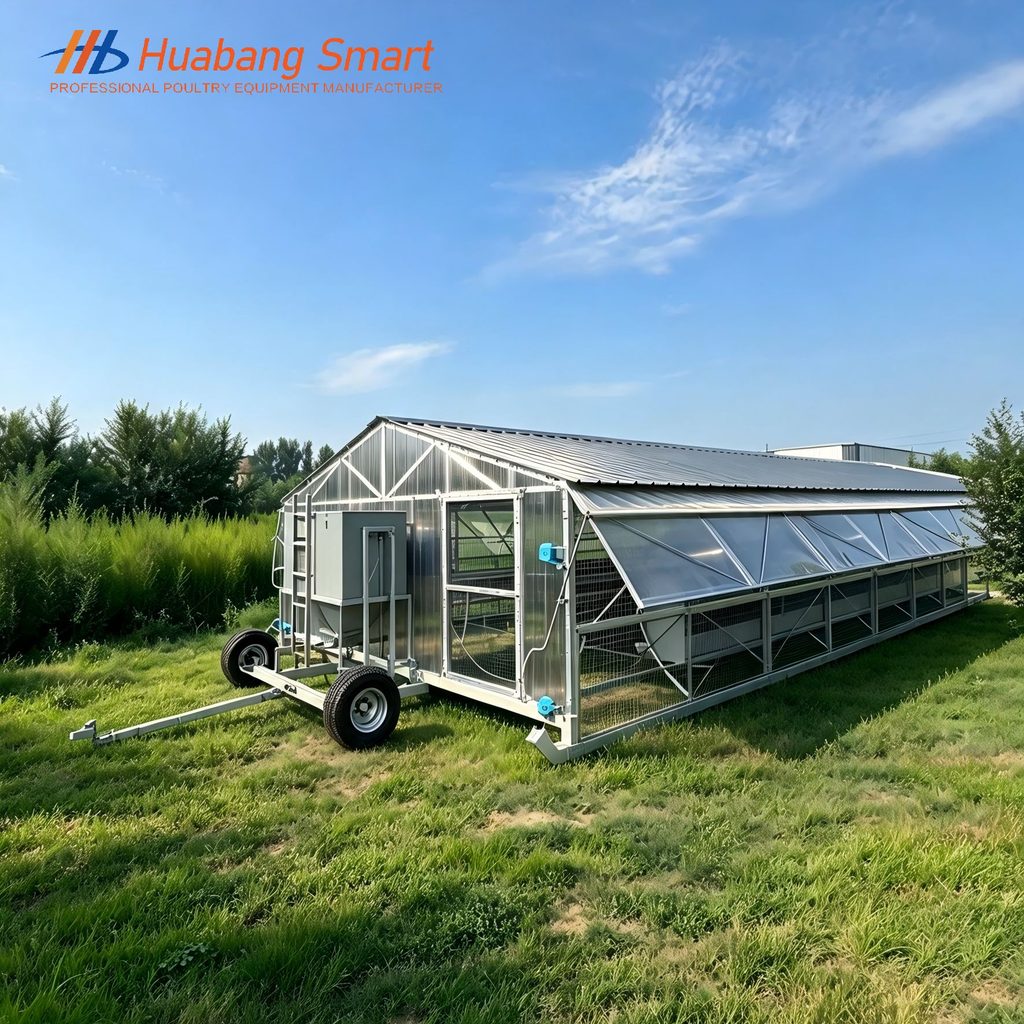
Mobile chicken coops are the core housing solution for rotational grazing, and selecting suitable mobile chicken coops directly shapes pasture health, flock welfare, labor cost and egg or broiler output for pasture-based poultry operations. If you raise chickens on pasture, you need to evaluate your flock size, local climate, land terrain and towing equipment before comparing mobile chicken coops. Next, examine usable living space, cross ventilation, predator protection, frame material, mobility design and automation functions of mobile chicken coops. Compare warranty terms, engineering drawings and formal specs from every supplier, and judge the total cost of ownership instead of only the upfront price of mobile chicken coops. This practical guide is written for farm owners, project engineers, purchasing managers and distributors who need reliable criteria to evaluate mobile chicken coops. It also introduces the commercial-grade mobile chicken coops developed and manufactured by Huabang Smart for large-scale pasture poultry farms.
一、How Mobile Chicken Coops Work in Pasture Poultry Systems
1、Basic Rotation Cycle of Mobile Chicken Coops
Mobile chicken coops provide roosting space, feeding stations, drinking points and weather shelter within a relocatable structure. The management cycle of mobile chicken coops is straightforward. You position mobile chicken coops on fresh pasture, release the flock, monitor bird health and grass growth. When vegetation is overgrazed or manure accumulates, move mobile chicken coops to a new paddock. Regular rotation supported by mobile chicken coops distributes manure evenly across the land and gives grass time to regrow. Eggs from hens raised under this system carry higher vitamin E and omega‑3 content, creating a market advantage for pasture farmers. Relocating mobile chicken coops on schedule also cuts down continuous contact between birds and old manure, lowering disease pressure.
2、Wheels, Skids and Mobility Designs for Mobile Chicken Coops
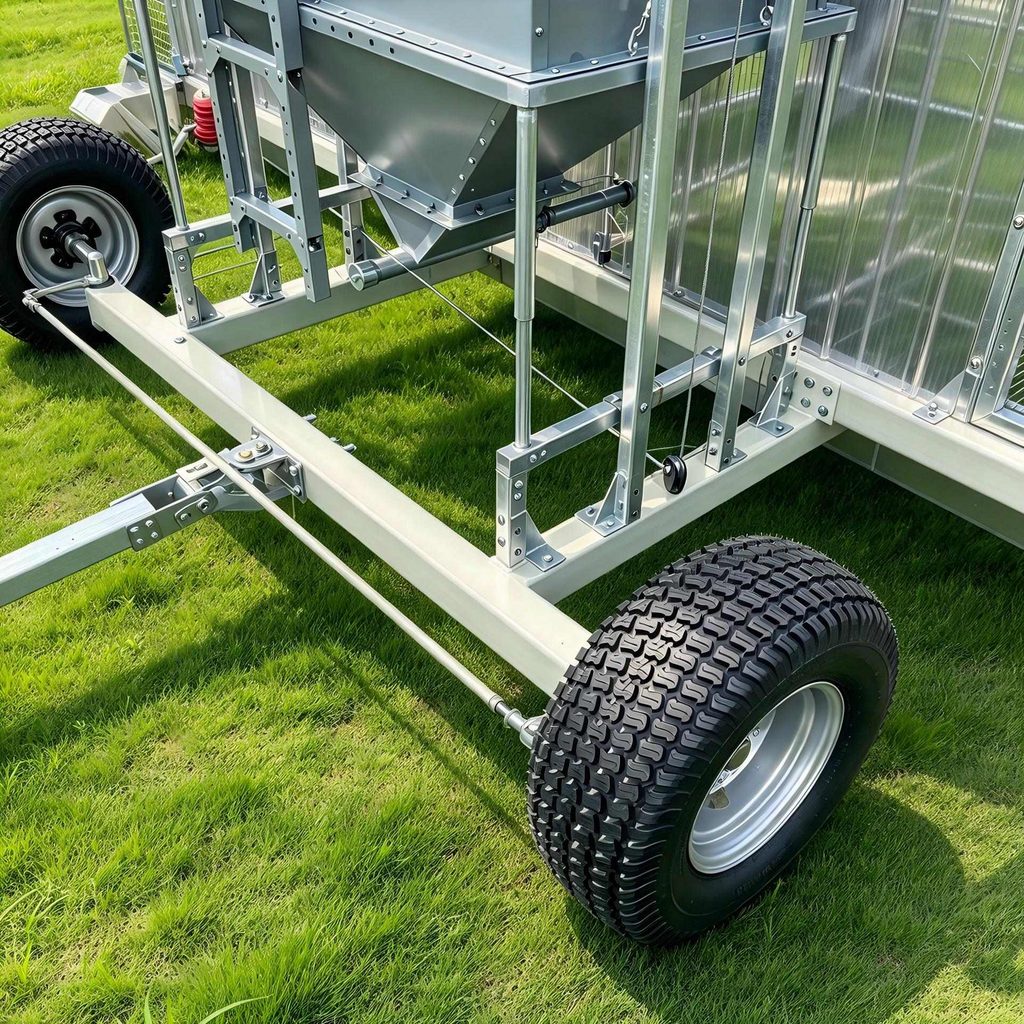
The moving mechanism of mobile chicken coops defines daily farm workflow. Wheeled mobile chicken coops fit frequent relocation or long-distance towing by tractor or utility vehicles. Skid-mounted mobile chicken coops work for smaller shelters on firm, level ground, yet skid designs easily get stuck in mud or tall grass. Tow hooks, axle assemblies and main frames of large commercial mobile chicken coops must be rated for full loaded weight. Before purchasing mobile chicken coops, confirm the manufacturer’s recommended towing equipment and total operating weight. Even well-designed mobile chicken coops become static housing if they are too heavy or unstable for your team to move safely. Soil type and slope of your pasture route are critical factors when choosing mobile chicken coops.
3、Mobile Chicken Coops vs Chicken Tractors vs Permanent Poultry Houses
Many pasture producers reference the chicken tractor concept popularized in Joel Salatin’s Pastured Poultry Profits. A chicken tractor is lightweight, small portable housing moved daily, ideal for tiny flocks, yet it lacks strong weather resistance and supports limited automation. Permanent poultry houses deliver stable climate control but cannot follow grazing cycles. Mobile chicken coops sit in the middle of these two options. Mobile chicken coops integrate feeding, drinking and nesting systems while retaining full mobility across paddocks. For commercial pasture flocks, mobile chicken coops often strike the best balance between animal welfare and daily operational efficiency.
二、Match Mobile Chicken Coops to Your Flock, Climate, Terrain and Labor
1、Flock Scale and Poultry Type for Mobile Chicken Coops
Capacity planning is the starting point when shopping for mobile chicken coops. Commercial mobile chicken coops built for hundreds of birds have different requirements for usable space, airflow and mobility than small backyard mobile chicken coops for 10 hens. Laying hens using mobile chicken coops require dedicated nesting zones and easy egg collection access. Broilers raised in mobile chicken coops need generous floor space, simple entry and fast cleaning between batches. US market certification rules must also be considered. The USDA finalized 2023 organic livestock and poultry standards require outdoor soil access for birds, and programs like Certified Humane set separate space requirements. Confirm your target certification before locking flock density for mobile chicken coops. Advertised capacity from suppliers often does not match certified usable space inside mobile chicken coops.
2、Climate, Terrain and Weather Exposure for Mobile Chicken Coops
Insulation, cooling structure and ground anchoring of mobile chicken coops depend heavily on local weather conditions. Mobile chicken coops face repeated stress from heat, wind, snow load and rain. Farms in hot regions should select mobile chicken coops with shade structures, cross-flow ventilation and heat-shedding roof panels. Cold climate operations need mobile chicken coops with insulation and freeze-resistant water pipelines. Terrain also shapes the specification of mobile chicken coops. Different wheel designs and towing structures suit sloped land, soft soil and muddy entryways. Walk your full pasture rotation route before ordering mobile chicken coops. A 5 m-wide mobile chicken coops requires clear travel paths, and farm gates, fences and tight corners can block relocation.
3、Labor, Towing Equipment and Management Style for Mobile Chicken Coops
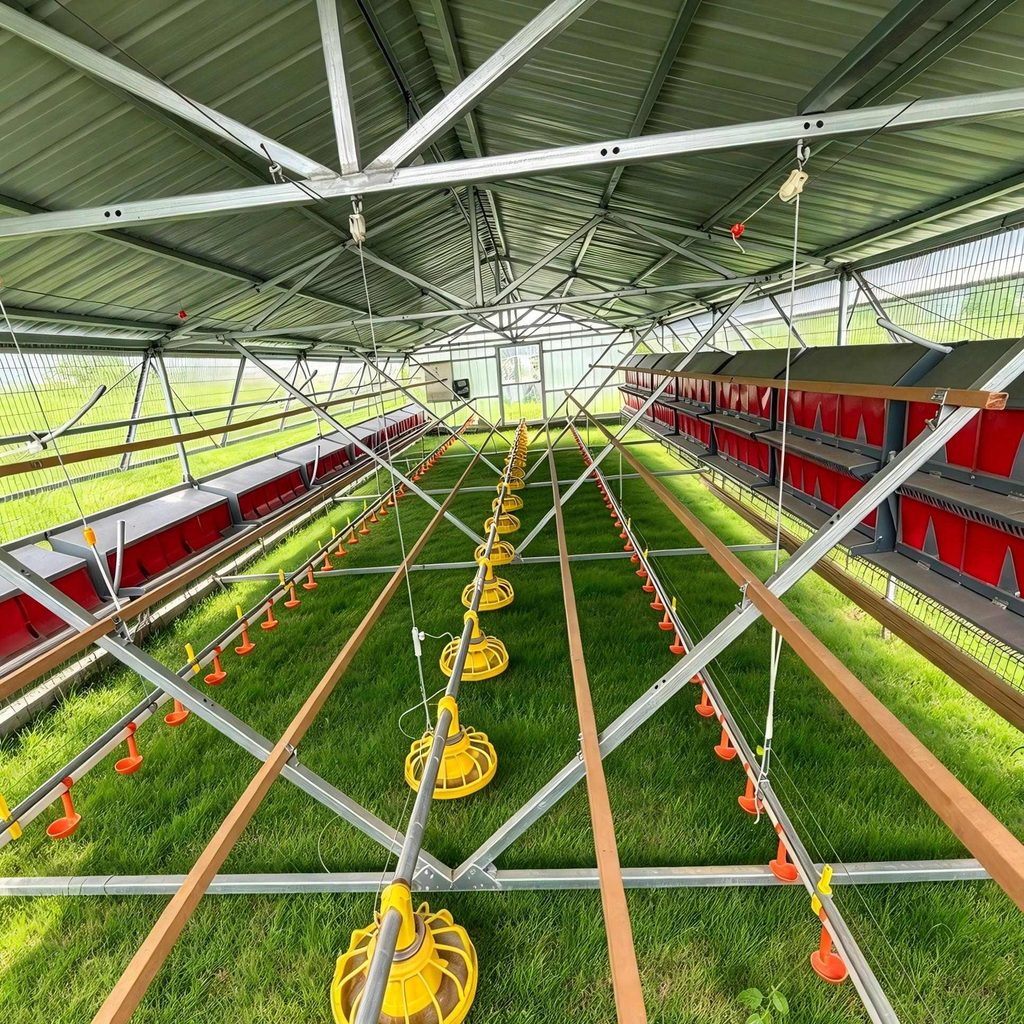
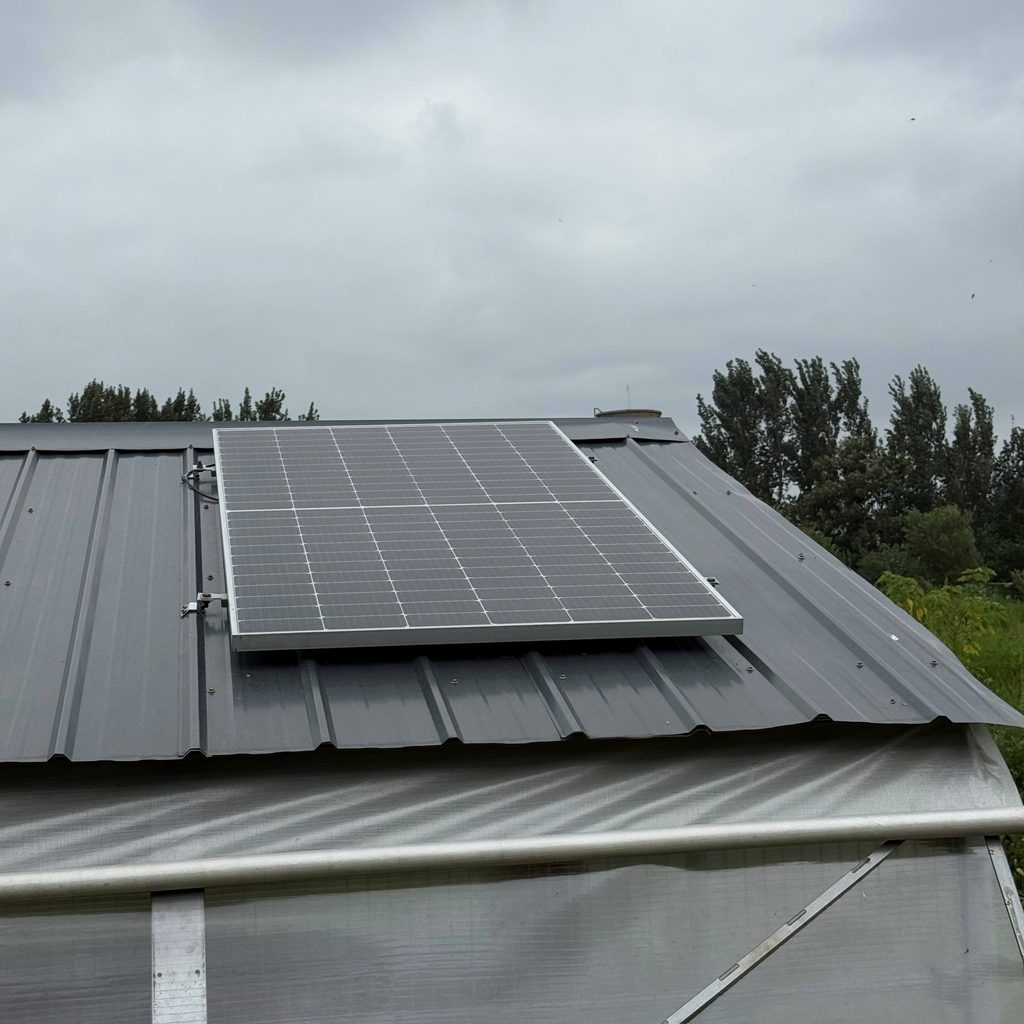
Labor expense usually dominates the real running cost of pasture poultry production. Manual feeding, watering and manure cleaning for mobile chicken coops consume hours every time you relocate mobile chicken coops. Calculate your available staff per paddock and confirm which towing vehicle will move mobile chicken coops. Then review automation options built into mobile chicken coops. Automated feeding and watering systems on mobile chicken coops reduce frequent entry inside the housing. Solar power is a practical add-on for mobile chicken coops placed in remote paddocks without grid electricity. Huabang Smart commercial mobile chicken coops integrate solar power and automatic feeding and drinking systems as complete packages. Always select mobile chicken coops that match your current team capacity instead of relying on extra future hires.
三、Evaluate Design, Materials and Automation of Mobile Chicken Coops
1、Usable Space, Ventilation and Predator Protection for Mobile Chicken Coops
Do not judge mobile chicken coops only by outer dimensions. Check usable internal floor space, standing height, door opening size, feed and water layout and cleaning access of mobile chicken coops. Airflow inside mobile chicken coops must remove excess moisture, heat, dust and ammonia without creating cold drafts that stress birds. Poultry management references such as the Ross Broiler Management Handbook commonly mark 25 ppm as the safe upper limit for ammonia. Predators target every gap and loose latch on mobile chicken coops. Inspect heavy small-aperture mesh, reliable locking latches and base barriers when sourcing mobile chicken coops. Slatted floors in mobile chicken coops separate birds from fresh manure, while solid bedding floors perform better in cold weather zones.
2、Frame Materials and Surface Coatings for Mobile Chicken Coops
Wood offers good thermal performance and easy local repair, but wood absorbs moisture and manure waste. Metal mobile chicken coops are simpler to sanitize and resist moisture buildup. The total weight of metal mobile chicken coops depends on tube thickness and anti-rust coating. ASTM A123 governs hot-dip galvanizing, a treatment that protects steel from rust in damp, manure-rich pasture environments. Huabang Smart manufactures its mobile chicken coops with hot-dip galvanized steel tubes, 275g hot-dip galvanized frames and panels, plus aluminum-zinc coated wire mesh. The 3 mm galvanized frame of Huabang Smart mobile chicken coops is engineered for 15 years of service life. Heavy-duty mobile chicken coops support repeated commercial towing, while lightweight mobile chicken coops fit backyard small flocks. Insulation improves cold weather performance for mobile chicken coops but increases both material cost and total weight.
3、Huabang Smart Mobile Chicken Coops Specifications and Automation
Huabang Smart mobile chicken coops can be customized up to 15 m × 5 m × 2.8 m, with capacity for 700–900 chickens per unit. These mobile chicken coops feature easy towing mobility, solar power supply and automatic feeding and drinking systems. A 5 cm raised central channel improves cross ventilation and passive cooling inside Huabang Smart mobile chicken coops. The integrated system includes nipple drinkers, manure conveyor belts and optional live weight monitoring modules. Huabang Smart mobile chicken coops can cut manual labor by roughly 70%. Real-time monitoring of temperature, humidity and air quality on these mobile chicken coops may reduce feed consumption by up to 8%. Actual results vary by farm, so request a customized projection based on your own flock and pasture data. [待补充数据:farm case reference data]
四、Vet Suppliers, Customization Options and Total Cost of Mobile Chicken Coops
1、Key Questions to Ask Mobile Chicken Coops Manufacturers
A price quote alone cannot reflect the full value of mobile chicken coops. Ask suppliers about engineering capability, quality control workflows, raw material sourcing, inspection standards and export packaging plans for mobile chicken coops. Request detailed construction drawings, material specs, installation manuals and reference farm cases of mobile chicken coops. Huabang Smart has 17 years of poultry equipment design and manufacturing experience, 49 core technical patents, ISO9001 and CE certification, and active customers across more than 100 countries. We build mobile chicken coops from client drawings and accept OEM and ODM orders. Configurations of our mobile chicken coops adapt to local climate, farm scale and market certification requirements. Any supplier you consider should provide valid certificates matching the exact mobile chicken coops model you plan to buy.
2、Total Cost of Ownership for Mobile Chicken Coops
The purchase price of mobile chicken coops is only one line item in your budget. Calculate shipping, import fees, on-site assembly, towing accessories, spare parts, repair work, recurring labor and service life when evaluating mobile chicken coops. Low-cost mobile chicken coops with thin coatings often create higher cumulative expenses over a decade compared to robust galvanized steel mobile chicken coops built for 15 years of service. You also need to account for recurring labor savings and feed conversion gains delivered by well-designed mobile chicken coops. A simple side-by-side spreadsheet comparing aligned quotes for mobile chicken coops helps you make fair comparisons. International freight for a 15-meter mobile chicken coops is a substantial cost factor, so confirm delivery terms and port charges before finalizing mobile chicken coops procurement.
3、Delivery, Installation and After-Sales Support for Mobile Chicken Coops
Post-delivery support protects your investment in mobile chicken coops. Confirm lead time, export packaging, assembly guidance, operator training, spare parts supply and warranty terms for mobile chicken coops. Huabang Smart’s production cycle for mobile chicken coops runs 30–60 days. We provide site planning, design adjustment, detailed configuration lists, video installation tutorials, on-site installation service, sample operation guidance and global local after-sales support for mobile chicken coops. Our mobile chicken coops carry a one-year manufacturer warranty. Buyers targeting the US market should confirm entry port rules and local zoning permits before mobile chicken coops shipment.
五、Inspection, Maintenance and Common Mistakes When Buying Mobile Chicken Coops
1、Delivery Inspection and Routine Maintenance for Mobile Chicken Coops
Inspect every mobile chicken coops upon arrival. Verify frame integrity, wheels or skids, fasteners, wire mesh, roof panels, doors, latches and ventilation systems of mobile chicken coops against your specification sheet. Place mobile chicken coops on well-drained pasture with reliable feed and water access. Each week, clean roosting zones, inspect axles and tow points for damage, and check feed and water pipelines for leaks on mobile chicken coops. Run full inspections of water circuits, ventilation and insulation before hot summer and freezing winter seasons. Keep records of each relocation schedule, flock performance and repair work for mobile chicken coops. These logs help you refine grazing density and rotation timing for your pasture over time.
2、Frequent Selection Mistakes for Mobile Chicken Coops
Most buyers make the error of choosing mobile chicken coops only based on price or advertised bird capacity. Stated capacity often ignores dedicated nesting, feeding and walking space inside mobile chicken coops. Thin coating, undersized wheels and loose mesh create safety risks and frame failure for mobile chicken coops. Poor airflow design in mobile chicken coops causes condensation, respiratory illness and heat stress. Many buyers also overlook shipping dimensions, assembly tools, spare parts inventory and future expansion space for mobile chicken coops. Request written formal specs and compare all mobile chicken coops quotes using identical evaluation criteria to avoid these pitfalls.
3、Final Selection Checklist for Mobile Chicken Coops
Document bird type, target flock size, pasture acreage, rotation timetable, climate, terrain and available towing equipment before you compare mobile chicken coops. Then match mobile chicken coops requirements: usable floor space, cross ventilation, predator resistance, flooring design, frame strength, wheels or skids, feeder and drinking systems. Next validate supplier qualifications: manufacturing experience, OEM capability, quality control, export packaging, warranty and spare parts supply for mobile chicken coops. Instead of selecting the cheapest mobile chicken coops quote, compare animal welfare, pasture performance, durability, maintenance workload, delivery timeline and total ownership cost. A written requirement sheet makes fair comparison of mobile chicken coops between suppliers much simpler.
Conclusion
Choosing mobile chicken coops for pasture-based poultry farming starts with your flock profile, climate, terrain and available farm equipment. Mobile chicken coops fill a middle ground between compact chicken tractors and fixed permanent housing, supporting full poultry living needs while enabling rotational grazing. Reliable mobile chicken coops need usable floor layout, controlled ventilation, strong predator barriers and reinforced frames built to withstand repeated relocation. Galvanized steel and coated mesh help mobile chicken coops resist rust in humid, manure-rich pasture environments, while automation on mobile chicken coops cuts daily labor input. Always review engineering drawings, certificates, customization flexibility, installation service and after-sales support from your mobile chicken coops supplier. For accurate cost comparison, include freight, maintenance, labor and service life of mobile chicken coops. The best mobile chicken coops are not the lowest-priced option, but the balanced solution that supports flock welfare, pasture regeneration, long durability and controlled total operating cost.